
 Türkçe
  English
  فارسی
فارسی  Russian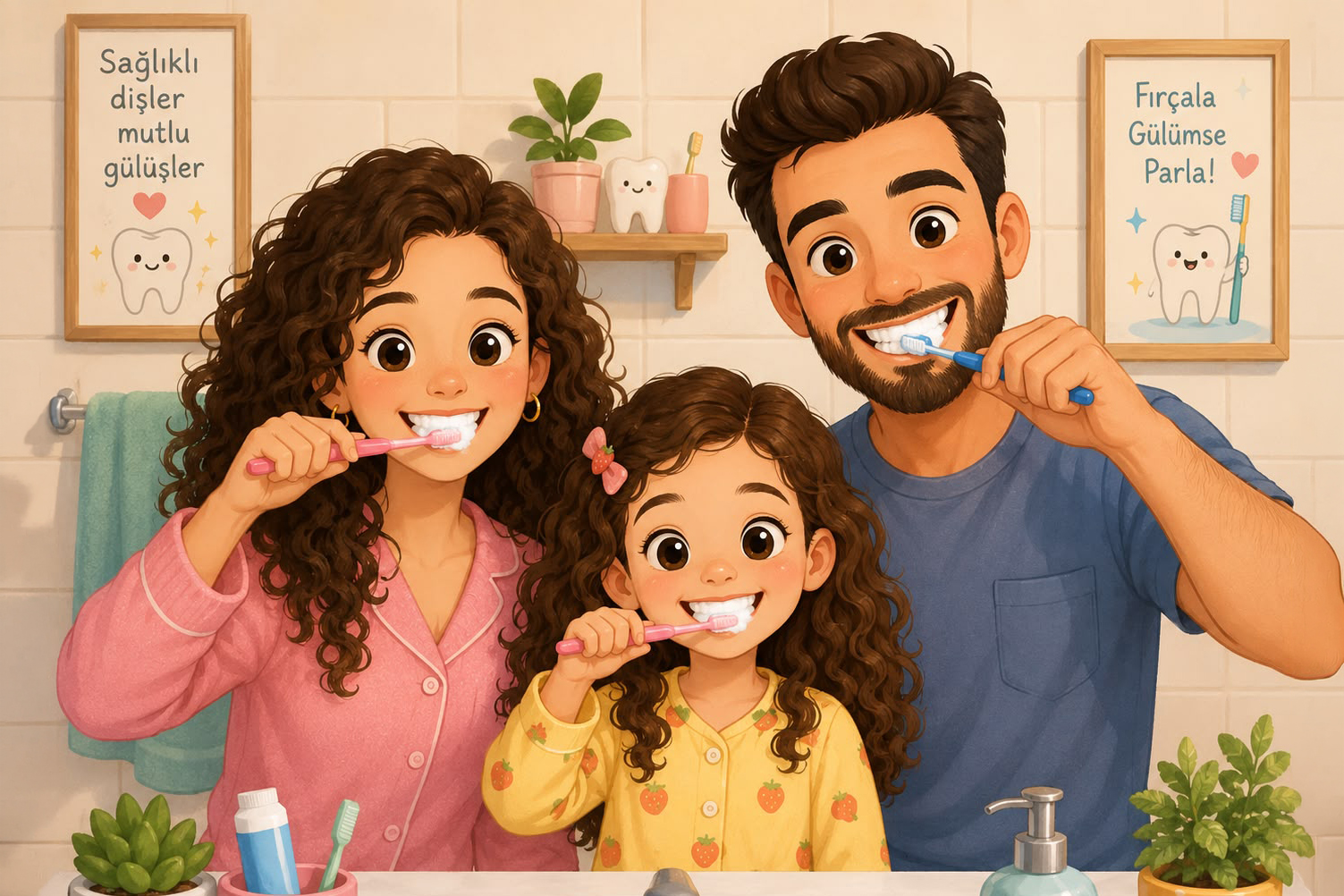
The First Tooth Has Erupted: How to Start Oral Care
The appearance of a baby's first tooth marks the beginning of a new stage for both parents and the child. Once the first tooth erupts, the risk of tooth decay also begins. Therefore, it is not advisable to wait until more teeth appear before starting oral care.
As soon as the first tooth becomes visible, it should be brushed twice a day using a small-headed, soft-bristled toothbrush appropriate for the baby's age. One of these brushing sessions should always take place before bedtime. At this stage, brushing should be performed by a parent or caregiver. This supervision should continue until the child is around 12 years of age.
For children under the age of three, a fluoride toothpaste in an amount the size of a grain of rice is generally recommended. However, because young children are often unable to spit out toothpaste effectively, a fluoride-free toothpaste may also be preferred. Using more toothpaste does not clean the teeth better. What matters is using the correct amount together with proper brushing technique on a regular basis. The recommended small amount of toothpaste should not be exceeded.
Putting a baby to sleep with a bottle or exposing them to sugary drinks frequently during the night may increase the risk of Early Childhood Caries (ECC). Since saliva production decreases during the night, teeth become more vulnerable to harmful substances in the mouth. For this reason, oral care should be performed after nighttime feeding, and babies should not be put to sleep with bottles containing milk, fruit juice, or other sugary beverages.
Pacifiers should never be dipped in honey, jam, sugar, or other sweet substances, as this significantly increases the risk of tooth decay. Likewise, sharing spoons with the baby or cleaning a pacifier by placing it in an adult's mouth may transfer cavity-causing bacteria to the child.
A child's first dental visit should take place after the eruption of the first tooth and no later than their first birthday. During this initial appointment, the dentist evaluates not only the existing teeth but also the child's feeding habits, brushing routine, toothpaste use, risk of tooth decay, and overall dental development. This allows an individualized preventive oral care plan to be created based on the child's specific needs.
Primary (baby) teeth play a vital role in proper nutrition, speech development, jaw growth, and maintaining the space required for the permanent teeth. Therefore, neglecting baby teeth because they will "fall out anyway" may lead to pain, infection, difficulty eating, and the need for more extensive dental treatment in the future.
The foundation of healthy teeth is built through proper oral care habits that begin with the very first tooth. Establishing a consistent oral hygiene routine at an early age is one of the most important steps toward maintaining a healthy smile for life.
A Note from the Pediatric Dentist
Do not expect your baby to immediately cooperate with toothbrushing. During the first few days, your child may cry, turn their head away, or refuse the toothbrush. These reactions do not mean that oral care should be discontinued. Patience, consistency, and determination are essential. Making toothbrushing fun through games, trying different approaches, or seeking guidance from a dental professional when needed can make the process easier. Toothbrushing is not a matter of choice for children—it is a fundamental part of their daily care routine.