
 Türkçe
 English
 فارسی
 Russian
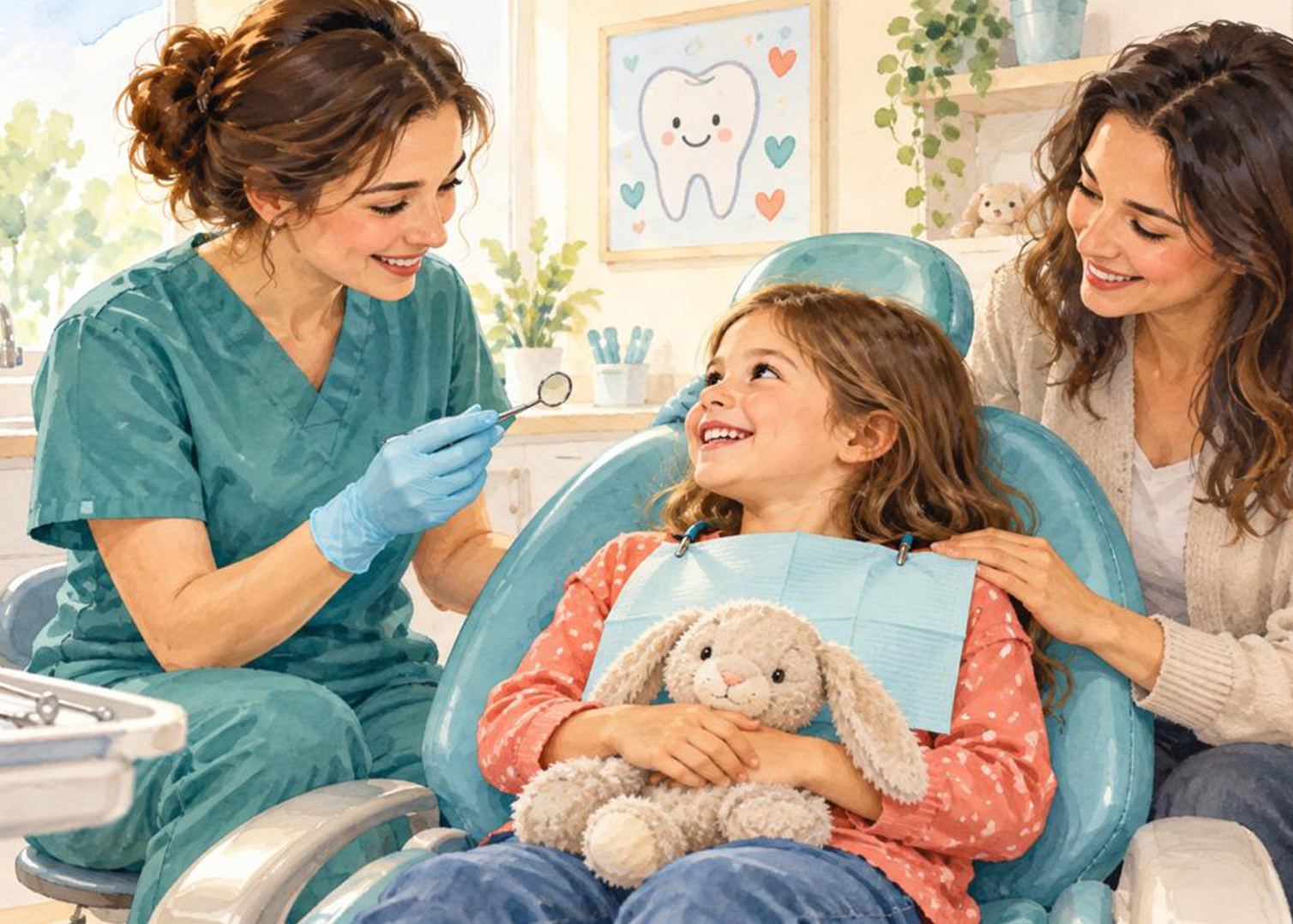
Dental Trauma in Children: What Should We Do If a Tooth Breaks or Gets Knocked Out?
Falling while playing in the park, falling off a bicycle, or colliding during sports… Accidents during childhood can sometimes affect the teeth. In such situations, appropriate first aid can increase the chances of saving the tooth. When a tooth is completely knocked out, the recommended steps differ for primary (baby) teeth and permanent teeth.
First, check the child’s general condition
First, reassure your child and assess the injury. If there is loss of consciousness, repeated vomiting, difficulty breathing, or uncontrolled bleeding, urgent medical evaluation takes priority.
You can apply gentle pressure to the bleeding area inside the mouth with clean gauze. To reduce swelling, you can also apply a cold compress wrapped in a cloth to the outside of the face.
What should you do if a tooth is broken?
If you can find the broken fragment, collect it and take it to the dentist in a clean, covered container containing milk or saline solution. In suitable cases, the fragment may be reattached to the tooth.
Even if the fracture appears small, the inner tissues or root of the tooth may be affected. The absence of pain does not mean the injury is insignificant. Dental trauma requires prompt evaluation.
If a primary (baby) tooth is completely knocked out
Do not reinsert a knocked-out primary tooth. Doing so may damage the permanent tooth developing underneath. Apply gentle pressure to the bleeding area with clean gauze and take your child to a pediatric dentist.
If the tooth cannot be found, be sure to inform the dentist. Rather than having been completely knocked out, the tooth may have been pushed into the gum. An examination and, when necessary, imaging can help distinguish between these possibilities.
If a permanent tooth is completely knocked out
Acting quickly is important in this situation:
1. Find the tooth and hold it only by the visible white part (the crown). Do not touch the root surface.
2. If the tooth is dirty, gently rinse it briefly with milk or saline solution. Do not scrub, brush, or use disinfectants.
3. If you are certain it is a permanent tooth and the child is awake and cooperative, you may gently place the tooth back into its socket. Do not force it. Then have the child bite gently on clean gauze to help keep the tooth in place.
4. If you cannot reinsert it, place the tooth in a clean, covered container containing milk and go to the dentist immediately. Saline solution can be used if milk is unavailable. Do not leave the tooth dry or wrap it in a tissue. Do not carry it inside the mouth of a young child because of the risk of swallowing or inhaling it into the airway.
5. If you are unsure whether the tooth is primary or permanent, or you are uncomfortable attempting reinsertion, do not try to put it back. Carry the tooth in a clean, covered container containing milk and seek urgent pediatric dental care. Even if the tooth has been outside the mouth for a long time, do not give up seeking treatment on the assumption that it can no longer be saved.
If a tooth is loose or appears displaced
Do not pull on the tooth or try to reposition it yourself. Prevent your child from biting with that area and seek dental care as soon as possible. Treatment is planned according to the type of tooth and the nature of the injury.
Do not skip follow-up appointments after first aid
The effects of dental trauma do not always appear immediately. Any subsequent pain, swelling, pimple-like formation on the gum, or change in tooth color should be reported to the dentist. A change in tooth color alone does not necessarily mean the tooth must be extracted; the decision depends on examination and follow-up findings.
Appropriate first aid and timely dental care are essential. Regular follow-up appointments also help protect the long-term health of the tooth.